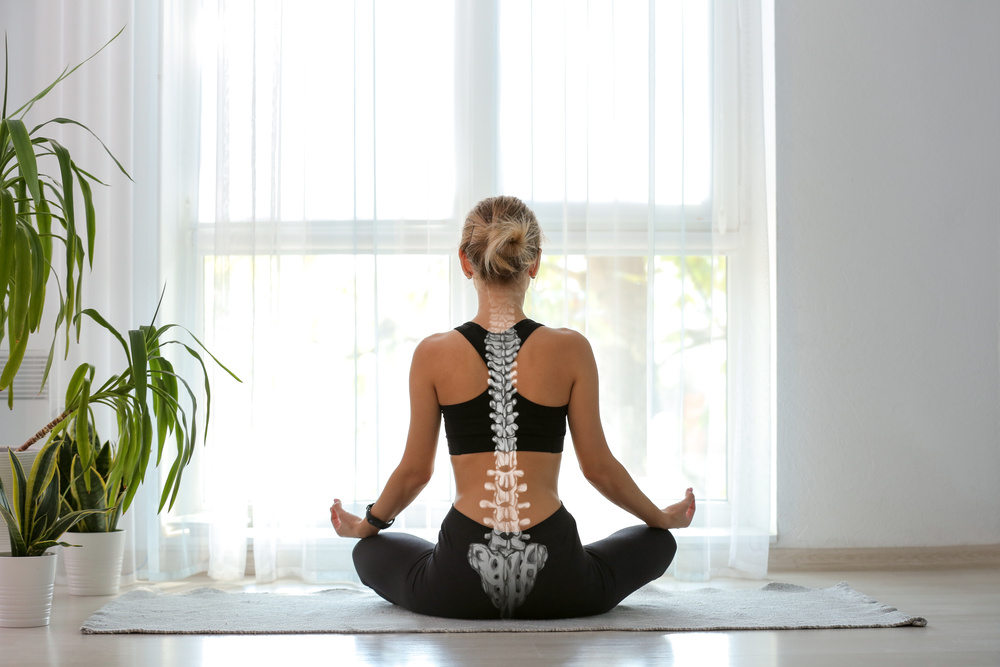
Many women notice physical changes during perimenopause before they fully understand why they are happening.
You may wake up feeling stiffer than usual. Your shoulders may feel tense for no obvious reason. Your hips, back, or neck may ache in ways they did not before. Workouts may feel harder to recover from, sleep may feel less restorative, and stress may seem to show up in your body more quickly.
For many women, these changes can feel frustrating because they are real, but not always easy to describe.
At Royal City Chiropractic, Dr. Claire works with women who are trying to better understand changes in stiffness, tension, movement, recovery, and physical confidence during this stage of life.
What Is Perimenopause?
Perimenopause is the transition leading up to menopause. During this time, hormone levels fluctuate, and many women notice changes in their cycle, sleep, mood, energy, temperature regulation, and physical comfort.
While many people think of perimenopause mainly in terms of hot flashes or cycle changes, it can also affect how the body feels day to day. Some women notice increased muscle tension, joint discomfort, sleep disruption, headaches, reduced recovery, or changes in exercise tolerance.
You may not feel injured, but you also may not feel quite like yourself.
Why Your Body May Start Feeling Different

Perimenopause affects every woman differently. Some women notice subtle changes over time, while others feel like their body has become less predictable fairly quickly.
You may notice:
- more stiffness in the morning
- increased tension in the neck and shoulders
- soreness after workouts that used to feel manageable
- more sensitivity to stress or poor sleep
- recurring tightness in the hips or lower back
- slower recovery after busy weeks
That does not mean hormones are the only reason you are uncomfortable.
Pain and stiffness are usually influenced by many factors, including:
- movement patterns
- strength and stability
- stress load
- sleep quality
- posture and work demands
- past injuries
- recovery habits
- overall physical conditioning
Perimenopause may simply make some of these issues more noticeable.
Feeling Different Does Not Mean Your Body Is Broken

One of the most important things to understand is that new aches or tension do not automatically mean your body is falling apart.
Many active women become discouraged when activities that once felt easy suddenly feel harder on their joints, muscles, or recovery.
A workout that used to feel normal may leave you sore for longer. Sitting at a desk may create more neck tension. A busy or stressful week may affect your body more than it once did.
These changes can feel discouraging, especially for women who are used to feeling strong, capable, and independent.
But often, these changes are information — not failure.
Your body may simply respond differently to stress, movement, sleep, recovery, and training load than it used to.
The goal is not to fear your body. The goal is to better understand it and support it appropriately.
Why Recovery Can Feel Slower
Many women notice that recovery changes during perimenopause.
Poor sleep, stress, inconsistent recovery, busy schedules, and changes in activity tolerance may have a bigger physical impact than they once did.
Sleep disruption alone can increase:
- muscle tension
- stiffness
- fatigue
- sensitivity to discomfort
- slower recovery between workouts or activities
Stress can also affect how your body feels physically. When the nervous system is under constant pressure, muscles often stay more guarded and tense. The neck, jaw, shoulders, ribs, and upper back may begin to feel like they are always “on.”
This is why Dr. Claire looks beyond the painful area itself.
A sore shoulder may involve posture, rib mobility, training habits, breathing patterns, stress, or neck mechanics. Low back stiffness may be influenced by hip mobility, core control, work demands, sleep, or recovery capacity.
Why Strength and Movement Matter
Perimenopause can be an important time to pay closer attention to strength, mobility, stability, and recovery.
This does not mean pushing harder or training excessively.
It means helping your body stay resilient, capable, and confident with movement over time.
Many women discover that stretching alone is not enough. Sometimes a hip that feels “tight” may actually need better strength and control. A sore back may benefit from movement retraining, stability, recovery strategies, or improved mechanics — not simply more rest.
At Royal City Chiropractic, care may include:
- chiropractic adjustments
- mobility work
- movement education
- soft tissue therapies
- exercise recommendations
- posture and ergonomic guidance
- home care strategies
The goal is to help women continue moving well and staying active with more confidence and less fear of injury.
How Chiropractic Care May Help During Perimenopause
Perimenopause is a hormonal transition, and chiropractic care does not treat hormone changes or replace medical care.
However, many women notice changes in stiffness, recovery, tension, mobility, posture, or exercise tolerance during this stage of life.
Chiropractic care can be one supportive tool that helps women better understand how their body is moving and functioning during that time.
At Royal City Chiropractic, Dr. Claire focuses on helping women:
- better understand mechanical stress and movement patterns
- improve mobility and joint function
- reduce muscle tension and guarding
- build confidence with movement and exercise
- support posture and recovery
- stay active with less discomfort

Care is individualized and may include chiropractic adjustments, movement-based care, soft tissue therapies, laser therapy, exercise support, or referrals when appropriate.
The goal is not to “fix” perimenopause.
The goal is to help women feel more informed, supported, and capable in their bodies while navigating it.
Collaborative Care Matters
Perimenopause is complex, and support often works best when multiple pieces come together.
Depending on your needs, that support may include conversations with:
- your family doctor
- a chiropractor, osteopath and/or physiotherapist (lots of women find all three can be helpful).
- pelvic floor therapy
- a strength coach or trainer
- a menopause-focused healthcare provider
- mental health support
- nutritional guidance
Dr. Claire believes women deserve collaborative care that helps them feel heard, educated, and empowered — not dismissed or told to simply “push through” discomfort.

Common Things Women Say During This Stage
Many women describe these changes long before they ever use the word “hormones.”
They may say:
- “My body just feels different.”
- “I feel stiff when I wake up.”
- “My shoulders are always tense.”
- “My hips feel tight even though I stretch.”
- “I do not recover from workouts like I used to.”
- “My back keeps tightening after work.”
- “I feel more sensitive to stress.”
These experiences are common, but they should not be ignored if they are affecting your quality of life.
When Should You Ask for Help?
You do not need to wait until pain becomes severe before asking for support.
It may be worth booking an appointment if:
- stiffness or tension keeps returning
- you are avoiding movement or exercise
- discomfort is affecting your sleep or work
- you feel less confident in your body
- recovery feels consistently harder than it used to
- you are unsure how to safely stay active
You also do not need to figure out on your own whether your symptoms are related to stress, posture, sleep, training, recovery, hormonal changes, or something else entirely before booking.
That is what the conversation and assessment are for. If you have common chiropractic questions, we have answers.
Start With a Conversation
Maybe your shoulders always feel tight.
Maybe your back keeps tightening after work.
Maybe your workouts feel harder to recover from.
Maybe your body simply feels different than it used to.
Dr. Claire will listen, assess how your body is moving, and help you better understand what may be contributing to your symptoms.
From there, you can decide what kind of support makes sense for you.
If you are looking for care that supports strength, mobility, movement confidence, recovery, and long-term physical health during perimenopause and beyond, Royal City Chiropractic is here to help. Learn more about our approach to personalized chiropractic care.